
Introduction
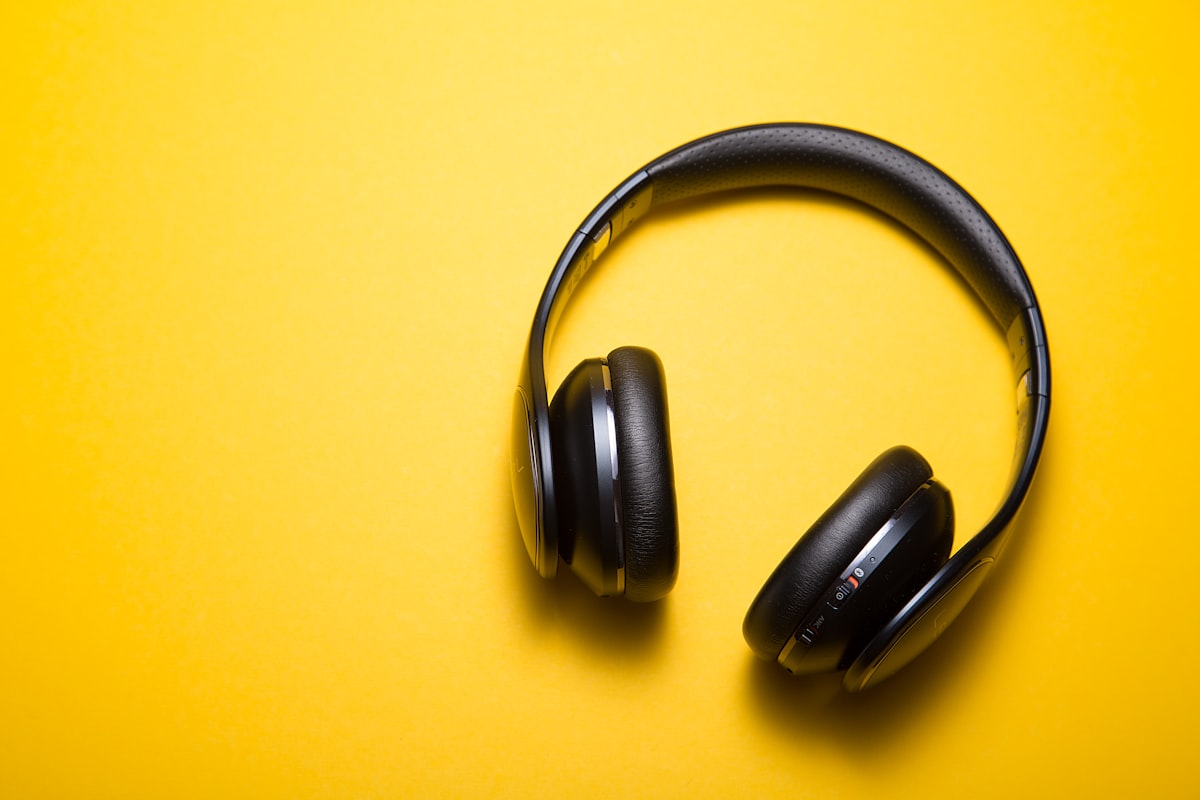
Headphones are an essential tool for every music producer, offering a private listening environment that’s unaffected by room acoustics, allows late-night production sessions without disturbing others, and provides a different perspective on mixes that complements monitor listening. With the right headphones, you can make mixing decisions with confidence anywhere — your studio, a hotel room, a plane, or anywhere else inspiration strikes.
But not all headphones are created equal for music production. Consumer headphones designed for pleasure listening are typically tuned with enhanced bass and boosted treble — characteristics that make music sound exciting but create misleading references when mixing or producing. Studio-oriented headphones aim for a more accurate, flatter frequency response that reveals the true character of recordings without coloration.
This guide reviews the best headphones for music production in 2025 across multiple price ranges and use cases, helping you choose the right tool for your specific workflow, whether you’re tracking, mixing, or traveling.
Open-Back vs. Closed-Back Headphones
The first and most important distinction in headphones for music production is open-back versus closed-back design. Open-back headphones have perforated ear cups that allow air and sound to pass through, creating a more natural, spacious soundstage that better approximates the experience of listening on speakers. This makes them ideal for mixing and critical listening. The downside: they leak sound in both directions — other people can hear what you’re listening to, and external sounds enter the headphones.
Closed-back headphones have sealed ear cups that isolate you from external sound and prevent sound leakage. This makes them essential for tracking (recording with a microphone in the room — you can’t use open-back headphones because the sound leaks into the microphone). They’re also better for mobile use and noisy environments. The trade-off is a slightly less natural soundstage compared to open-back designs.
For a complete studio setup, having one of each type is ideal: open-back headphones for mixing and critical listening, closed-back for tracking. If you can only have one pair, your primary use case should determine which type to choose. Producers who primarily work in the box (no live recording) often prefer open-back; those who record vocals or instruments need closed-back for tracking at minimum.
Top Headphones for Music Production in 2025
The Sony MDR-7506 ($100) has been a studio standard for decades. Its closed-back design, detailed midrange, and extended high-frequency response make it an excellent tracking and reference headphone. Its main limitation is a slightly hyped high-end that requires adjustment when used for critical mixing. However, for the price, its reliability, durability, and sonic quality are exceptional.
The Audio-Technica ATH-M50x ($150) is the most popular closed-back headphone for home studio recording. Its balanced, detailed sound, comfortable fit, and foldable design make it an excellent everyday tracking and mixing headphone. The rotating ear cups and detachable cables add practical versatility. It’s particularly well-suited for tracking and general reference listening.
The Beyerdynamic DT 990 Pro ($180) is one of the most popular open-back headphones for mixing at any price point. Its spacious soundstage, extended bass response, and detailed treble provide an excellent reference for mixing decisions. The 250-ohm version requires a headphone amplifier for optimal performance but offers the best sound quality. The DT 990 is a long-time favorite among producers who mix primarily on headphones.
For professional mixing, the Sennheiser HD 650 ($300-400) and Beyerdynamic DT 1990 Pro ($600) represent the upper tier of open-back headphone performance available to home studio producers. Both offer remarkably accurate, natural sound that translates well to other listening environments. The investment in these headphones is justified for producers who do significant mixing on headphones regularly.
Headphone Amplifiers and DAC/Amp Combinations
Higher-impedance headphones (150-600 ohms) require more voltage than a typical audio interface headphone output can provide to reach their full performance potential. If you choose high-impedance headphones, a dedicated headphone amplifier improves clarity, dynamics, and overall sound quality significantly. The Schiit Magni ($109) and JDS Labs Atom ($100) are excellent entry-level headphone amplifiers that pair well with studio headphones.
DAC/amplifier combinations (which include both digital-to-analog conversion and amplification) offer a complete solution for headphone listening independent of your audio interface. The Schiit Modi+Magni or FiiO K5 Pro are popular options that provide clean amplification and conversion at accessible prices. These are particularly valuable for producers who do a lot of headphone work independent of their recording interface.
Frequently Asked Questions About Headphones for Music Production
Can I mix entirely on headphones?
Yes, with the right headphones and sufficient experience understanding how they translate to speakers. Headphone mixing requires calibration to your specific headphones — learning how they translate to other systems through extensive comparison. Many producers mix primarily on headphones successfully, particularly those who travel frequently or work in acoustically challenging environments.
What impedance headphones should I choose?
Lower-impedance headphones (32-80 ohms) are easier to drive from any source and are more versatile for mobile use. Higher-impedance headphones (250-600 ohms) typically offer better sound quality but require a dedicated amplifier. For home studio use with a quality interface, 80-250 ohm headphones offer the best balance of quality and drivability.
Are wireless headphones suitable for music production?
Wireless headphones introduce latency (delay) that is problematic for monitoring while recording — any noticeable delay between your performance and what you hear in the headphones degrades your performance quality. For general listening and reference, wireless can work fine; for tracking and precise monitoring, wired headphones are strongly preferred.
How important is comfort for production headphones?
Extremely important. Production sessions often last 2-4 hours or more. Headphones that are uncomfortable after an hour force you to take breaks or remove them, interrupting your workflow. Comfort factors include ear cup material (velour is generally more comfortable than pleather for long sessions), headband padding, and clamping force. Always read comfort reviews alongside sound quality assessments.
Should I buy headphones to complement my monitor speakers or as a primary mixing tool?
Both approaches are valid. Using headphones primarily as a secondary reference (checking your monitor mixes on headphones before finalizing) is the most conservative approach. Using headphones as your primary mixing tool requires more experience and the right headphones, but works well for many producers. Most professional setups use both monitors and headphones in complementary ways.
Final Thoughts
Investing in quality headphones is one of the highest-return equipment purchases you can make for your home studio. The right headphones provide a reliable, consistent reference that travels with you and allows production work anywhere — a level of flexibility that monitor speakers simply cannot offer.
Choose based on your primary use case: closed-back for tracking and mobile production, open-back for mixing and critical listening. Budget for a quality pair rather than the cheapest option — the difference in sound quality between a $50 and $150 pair of studio headphones is substantial, while the difference between $150 and $300 is meaningful but more subtle.
Sources & Further Reading
- Rtings: Best Studio Headphones
- InnerFidelity (Head-Fi): Headphone Reviews and Measurements
- Sweetwater: Studio Headphone Guide

Marcus Williams
singer-songwriter
Marcus Williams is a singer-songwriter and music business consultant with over 15 years of experience in the independent music industry. Having released four studio albums and licensed music to major TV networks, Marcus understands both the creative and commercial sides of the music business. He writes practical guides on building a music career, promoting your music online, and navigating the modern music industry landscape.